VADSPhTeam
The Power of Personalization: How to Customize Your Emails for Better Results
Email marketing is one of the most effective tools for businesses to reach their customers and generate leads. However, with so many emails being sent every day, it can be challenging to stand out from the crowd. One way to make your emails more effective is to personalize them.
Personalized emails are tailored to the recipient's interests, preferences, and behaviors. This type of email marketing can help businesses increase open rates, click-through rates, and conversions.
Here are some tips on how to customize your emails for better results:
Use the Recipient's Name
Including the recipient's name in the subject line or the greeting can make your email feel more personal and engaging. It's a simple but effective way to get their attention. Using the recipient's name is a simple but effective way to make your emails feel more personal and engaging. It helps to create a sense of familiarity and can make the recipient feel valued as an individual.
For example, instead of using a generic greeting like "Dear Valued Customer," you could use the recipient's name: "Hi John, we've got some exciting news for you." This personalized greeting can grab the recipient's attention and make them more likely to open and engage with your email.
In addition to using the recipient's name in the greeting, you can also use it in the subject line. For example, "John, Check Out Our New Collection" is more likely to grab John's attention than a generic subject line like "New Collection Now Available."
Overall, using the recipient's name is a simple and effective way to personalize your emails and increase engagement with your audience.
Segment your Email List
Segmenting your email list involves dividing your list into smaller groups based on demographics, interests, behaviors, or other relevant criteria. This allows you to send more targeted and relevant content to each group, which can lead to higher open rates, click-through rates, and conversions.
For example, a clothing retailer could segment their email list based on gender and send targeted emails featuring products that are more likely to appeal to each group. They could also segment their list based on geographic location and send emails featuring products or promotions that are relevant to that region.
Segmenting your email list allows you to personalize your emails and make them more relevant to each recipient. By sending targeted content to each group, you can increase the likelihood of engagement and conversions, which can ultimately lead to higher revenue for your business.
Use Dynamic Content
Dynamic content is content that changes based on the recipient's behavior or preferences. This type of content allows you to create a more personalized experience for the recipient, which can increase engagement and conversions.
There are many ways to use dynamic content in your emails. Here are some examples:
Product recommendations: You can use dynamic content to recommend products based on the recipient's previous purchases or browsing behavior. For example, if a customer has previously bought shoes, you could show them other shoes that are similar or complementary to their previous purchase.
Personalized images: You can use dynamic content to show images that are personalized to the recipient's interests or behavior. For example, if a customer has shown interest in outdoor gear, you could show images of hiking or camping gear in your email.
Countdown timers: You can use dynamic content to create a sense of urgency and encourage the recipient to take action. For example, you could include a countdown timer in your email that shows how much time is left to take advantage of a limited-time offer.
Location-based content: You can use dynamic content to show content that is relevant to the recipient's location. For example, if you have a physical store in their area, you could show them promotions or events that are happening at that location.
Send Triggered Emails
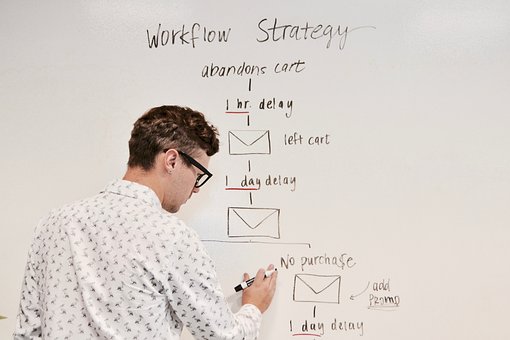
Triggered emails are automated emails that are sent in response to a specific action or behavior by the recipient. These emails can be highly effective because they are timely and relevant, and can help to keep your audience engaged with your brand.
Here are some examples of triggered emails:
Welcome emails: These are sent to new subscribers when they sign up for your email list. They can be used to introduce your brand, provide information about your products or services, and encourage the recipient to take further action (such as making a purchase or following you on social media).
Abandoned cart emails: These are sent to customers who have added items to their shopping cart but haven't completed the purchase. They can be used to remind the recipient of the items in their cart, provide an incentive (such as a discount code) to complete the purchase, or offer customer support if there was a problem during the checkout process.
Post-purchase emails: These are sent after a customer has made a purchase. They can be used to thank the customer for their purchase, provide order confirmation and shipping details, and offer related products or services that may be of interest to the customer.
Re-engagement emails: These are sent to subscribers who haven't opened or clicked on your emails in a while. They can be used to remind the recipient of your brand, offer an incentive to re-engage (such as a discount code), or ask for feedback to improve your email content.
Triggered emails are an effective way to keep your audience engaged with your brand and encourage them to take further action. By automating these emails, you can save time and resources while still providing timely and relevant content to your audience.
In conclusion, personalization is a powerful tool that can help you increase engagement and drive better results in your email marketing campaigns. By segmenting your email list, using dynamic content, and including personalized subject lines, greetings, and offers,you can create a more relevant and personalized experience for your subscribers.
Don't underestimate the power of personalization in your email marketing strategy, and start implementing these tips today to see better results.
Share your thoughts in the comment
Ready to Skyrocket Your Productivity?
Unlock the Power of a Proactive Virtual Assistant Team for Your Online Business Today!
VADSPh Team

Your Dedicated Virtual Marketing Assistant Team!
Interesting Topics
Keep updated!
Subscribe to our newsletter to get valuable updates and insights
2013 - 2024 | www.vaservicesph.com
Agmata, Gante III, Pioneer Avenue, Tagum City, Philippines


