VADSPhTeam
How to Measure the Effectiveness of your Content Marketing Campaign
Content marketing can be a highly effective strategy for driving brand awareness, increasing website traffic, and generating leads. However, to know whether your content marketing efforts are paying off, you need to measure their effectiveness.
Here are some key metrics to consider when measuring the effectiveness of your content marketing campaigns:
One of the most basic metrics to track is the traffic to your website. This can give you a general idea of whether your content is attracting an audience. You can use tools like Google Analytics to track your website traffic.
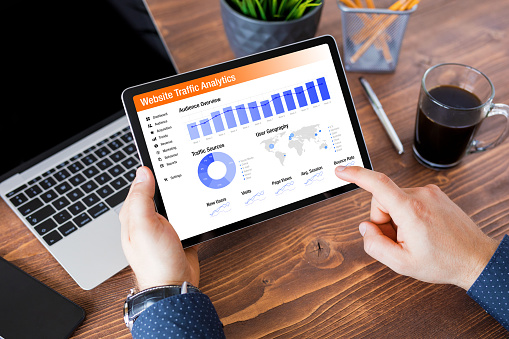
Engagement metrics help you understand how your audience is interacting with your content. This can include metrics like time on page, bounce rate, social shares, comments, and likes. Engagement metrics are a good indicator of whether your content is resonating with your audience.

Ultimately, the goal of content marketing is to drive conversions, such as signups, downloads, and purchases. Tracking your conversion rate can help you determine whether your content is effective at converting visitors into customers.
Content marketing can also help build brand awareness. You can track brand awareness by monitoring metrics like social media mentions, brand searches, and referral traffic.

To truly measure the effectiveness of your content marketing campaigns, you need to consider the return on investment. This involves calculating the cost of creating and distributing your content versus the revenue generated by your content.

Some additional details on measuring the effectiveness of your content marketing campaigns:
Knowing who your audience is can help you tailor your content to their needs and preferences. You can track audience demographics like age, gender, location, and interests using tools like Google Analytics.
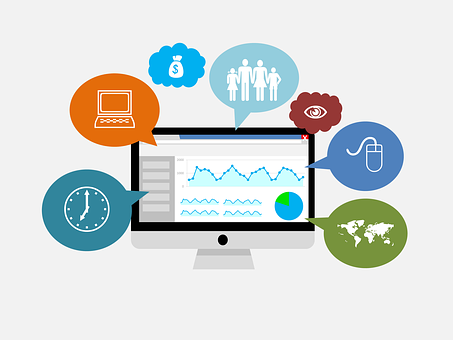
You can track the performance of individual pieces of content to see which topics and formats are resonating with your audience. This can help you make data-driven decisions about what to create more of in the future.

If one of your goals is to generate leads, you can track the quality of those leads. This involves monitoring metrics like lead source, lead score, and lead-to-customer conversion rate.

Ultimately, the goal of content marketing is to drive sales. You can track sales metrics like revenue generated, average order value, and customer lifetime value to measure the impact of your content on your bottom line.
It's important to benchmark your content marketing performance against your competitors. You can track metrics like website traffic, social media engagement, and content performance to see how you stack up.

When measuring the effectiveness of your content marketing campaigns, it's important to track these metrics over time to see how they evolve. You should also segment your data to see how different types of content or different marketing channels are performing.
By analyzing your data, you can identify areas for improvement and continually optimize your content marketing strategy.
Need an Effective Virtual Assistant Team in Your Online Business?
Share your thoughts in the comment
Ready to Skyrocket Your Productivity?
Unlock the Power of a Proactive Virtual Assistant Team for Your Online Business Today!
VADSPh Team

Your Dedicated Virtual Marketing Assistant Team!
Interesting Topics
Keep updated!
Subscribe to our newsletter to get valuable updates and insights
2013 - 2024 | www.vaservicesph.com
Agmata, Gante III, Pioneer Avenue, Tagum City, Philippines


