VADSPhTeam
How to Create SEO-Friendly Content that Drives Organic Traffic
Creating SEO-friendly contentis crucial fordriving organic trafficto your website. Organic traffic is the result of people finding your content through search engines like Google, Bing, or Yahoo, and it'sessential for building your online presence and growing your audience.
Here are some tips on how to create SEO-friendly content that drives organic traffic:
Research relevant keywords
Start by doing keyword research to understand what people are searching for in your industry or niche. Use tools like Google Keyword Planner or Moz Keyword Explorer to find relevant keywords and phrases that you can use in your content.

Researching relevant keywords is a critical step in creating SEO-friendly content that drives organic traffic. Keyword research involves identifying the terms and phrases that people are using to search for information related to your industry or niche.
Here are some additional insights to help you conduct effective keyword research:
Use a variety of tools: There are many tools available for conducting keyword research, including Google Keyword Planner, Moz Keyword Explorer, Ahrefs Keyword Explorer, and SEMrush. Use a variety of tools to get a comprehensive understanding of what people are searching for in your industry.
Look for long-tail keywords: Long-tail keywords are longer, more specific phrases that tend to have less competition than broad keywords. They also tend to have a higher conversion rate since they indicate that the searcher is looking for something specific. Look for long-tail keywords that are relevant to your business and incorporate them into your content.
Consider search intent: Search intent refers to the reason behind a particular search query. Understanding search intent can help you create content that aligns with what searchers are looking for. There are four types of search intent: informational, navigational, commercial, and transactional. Tailor your content to the search intent of your target audience.
Analyze your competition: Look at what your competitors are ranking for in search engine results pages (SERPs). Use tools like Ahrefs or SEMrush to identify the keywords that your competitors are targeting and use that information to inform your own keyword strategy.
Avoid keyword stuffing: Keyword stuffing is the practice of overusing keywords in your content in an attempt to manipulate search engine rankings. This is a black hat SEO technique that can result in penalties from search engines. Instead, focus on creating quality content that incorporates keywords in a natural, relevant way.
Keyword research is a crucial aspect of any successful digital marketing strategy. It allows you to gain valuable insights into what your target audience is searching for and ultimately helps you create content that meets their needs and interests.
This information not only helps you optimize your website content for search engines but also helps you to create more effective marketing campaigns. With a deeper understanding of your audience's search habits, you can develop content that addresses their pain points, answers their questions, and provides them with the information they need to make informed purchasing decisions.
Optimize your content for keywords

Once you have your keywords, incorporate them into your content in a natural way.
Use your keywords in your headlines, subheadings, and throughout your content, but avoid overusing them, which can hurt your rankings.
The next step is to optimize your content for those keywords. Keyword optimization involves incorporating your target keywords into your content in a natural, relevant way.
Here are some additional insights to help you optimize your content for keywords:
Include keywords in your title: Your title is one of the most important on-page SEO factors, so make sure to include your target keyword in the title of your content. This helps search engines understand what your content is about and can improve your rankings.
Use keywords in your meta description: Your meta description is the summary that appears below the title in search engine results pages (SERPs). Use your target keyword in the meta description to give searchers a clear idea of what your content is about and encourage them to click through to your website.
Use keywords in your content: Incorporate your target keywords into your content in a natural, relevant way. Avoid keyword stuffing, which can result in penalties from search engines. Instead, focus on creating high-quality, informative content that provides value to your readers.
Use heading tags: Heading tags (H1, H2, H3, etc.) help organize your content and make it easier for search engines to understand the structure of your content. Use your target keywords in your heading tags to give search engines a clear idea of what your content is about.
Use alt tags: Alt tags are descriptions of images that help search engines understand what the image is about. Use your target keywords in alt tags to improve your rankings.
Use internal linking: Linking to other pages on your website within your content can help improve your rankings for related keywords. Use your target keywords as anchor text for your internal links.
In the highly competitive online landscape, it's critical to ensure your website and content are optimized for search engines. One of the most effective ways to improve your website's visibility, and attract more organic traffic is through keyword optimization. By researching and strategically incorporating relevant keywords into your content, you increase your chances of ranking higher on search engine results pages.
The higher your website appears on search engine results, the more likely it is that potential customers will find and visit your website. Not only does keyword optimization help you attract more traffic, but it also enables you to reach the right audience, those who are actively searching for what your business offers.
Create quality content
Search engines value high-quality, informative content that provides value to readers. Make sure your content is well-written, engaging, and informative. Aim to answer the questions your target audience is asking and provide solutions to their problems.

Creating quality content is crucial for both SEO and driving organic traffic to your website. Quality content is informative, engaging, and relevant to your target audience.
Here are some additional insights to help you create quality content:
LResearch your topic: Before you start creating content, research your topic thoroughly to ensure that you have a deep understanding of the subject matter. This will help you create content that is informative and accurate.
Use a clear structure: Use a clear structure for your content, with headings and subheadings that help readers navigate the content. This makes your content more accessible and easier to read.
Use visuals: Visuals, such as images, infographics, and videos, can help make your content more engaging and easier to understand. They can also help break up large blocks of text and make your content more visually appealing.
Use examples and case studies: Examples and case studies can help illustrate the points you are making in your content and make them more tangible for your readers.
Write for your audience: Write your content with your target audience in mind. Consider their needs, interests, and pain points, and create content that provides value to them.
Edit and proofread your content: Before publishing your content, make sure to edit and proofread it carefully. This helps ensure that your content is error-free and professional.
One of the main benefits of producing quality content is the trust it builds with your audience. When your website consistently provides helpful and informative content, it demonstrates that you are committed to delivering value to your readers.
As a result, your readers will come to view you as an expert in your field and trust your opinions and recommendations. This trust can translate into increased engagement, more shares, and higher conversion rates, as your audience is more likely to take action based on your recommendations.
Use on-page optimization techniques
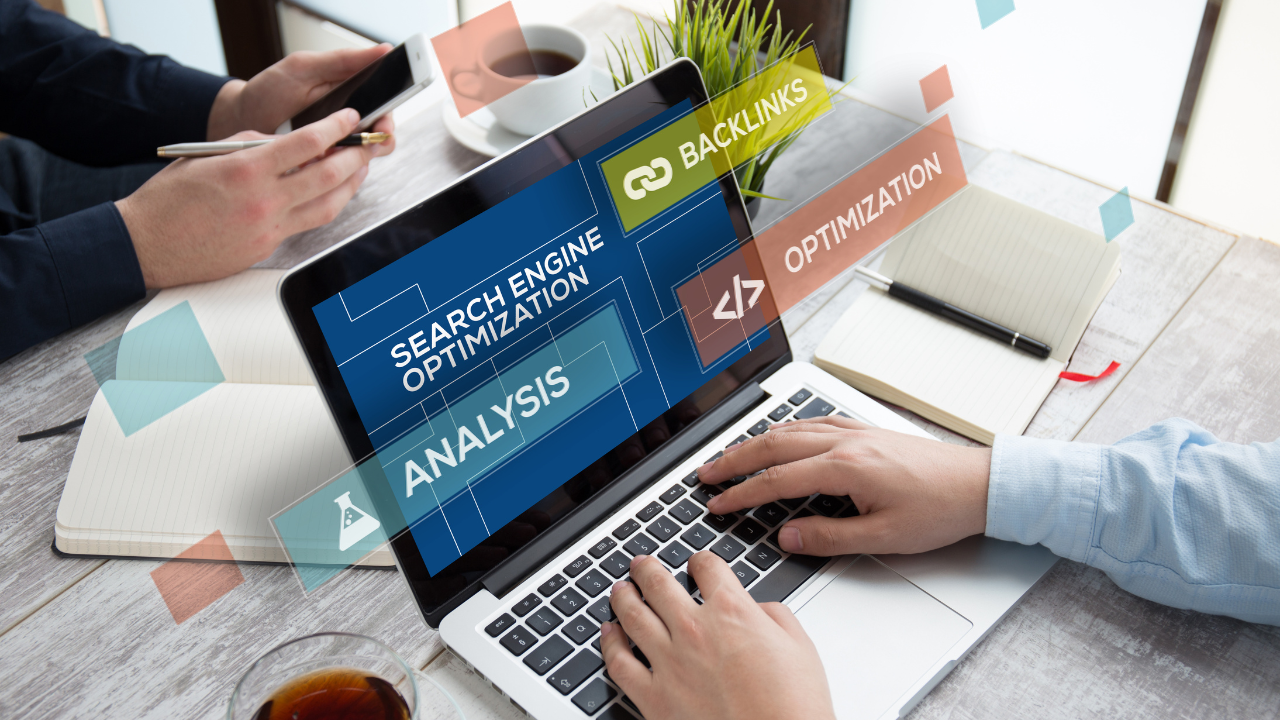
On-page optimization techniques include using title tags, meta descriptions, header tags, and alt tags. Make sure your content has a descriptive title tag and a compelling meta description that includes your keywords. Use header tags to break up your content into sections and include alt tags on your images to help search engines understand what your content is about.
On-page optimization is a critical part of any successful digital marketing strategy. It involves optimizing your website's structure, content, and speed to improve its relevance, usability, and performance. By using on-page optimization techniques, you can ensure that your website is properly optimized for search engines and provides a seamless user experience for your visitors.
Here are some additional insights to help you use on-page optimization techniques:
LOptimize your URLs: Use descriptive URLs that include your target keywords. This helps search engines understand what your pages are about and can improve your rankings.
Use header tags: Use header tags (H1, H2, H3, etc.) to structure your content and make it easier for search engines to understand the hierarchy of your content.
Optimize your content: Make sure your content is relevant, informative, and provides value to your readers. Use your target keywords naturally throughout your content to help improve your rankings.
Optimize your images: Use alt tags to describe your images and use file names that include your target keywords. This helps search engines understand what your images are about and can improve your rankings.
Use internal linking: Link to other pages on your website within your content using anchor text that includes your target keywords. This can help improve your rankings for related keywords.
Improve your website speed: Use caching, compress your images, and minify your code to improve your website's speed. This can improve your user experience and your search engine rankings.
Make your website mobile-friendly: Make sure your website is optimized for mobile devices. This is important because more and more people are using mobile devices to browse the internet, and search engines prioritize mobile-friendly websites.
To make the most of on-page optimization, It's essential to ensure that your website's structure is well-organized and easy to navigate and that your website's load times are fast and efficient. These factors not only improve the user experience but also play a significant role in search engine rankings. By incorporating relevant keywords and optimizing your content for search engines, you can improve your website's visibility and attract more organic traffic.
Build backlinks
Backlinks are links from other websites that point to your content. The more high-quality backlinks you have, the higher your content will rank in search engine results. Reach out to other websites in your industry or niche to see if they would be willing to link to your content.

Search engines view backlinks as a vote of confidence in the content of the website being linked to. The more high-quality and relevant backlinks a website has, the more likely it is to rank higher in search engine results pages (SERPs) for relevant search queries.
Here are some additional insights to help you build backlinks:
Create high-quality content: Creating high-quality content is the foundation of building backlinks. When you create informative, valuable content, other websites are more likely to link back to your content.
Guest blogging: Guest blogging is a popular way to build backlinks. Find relevant blogs in your niche and pitch them a guest post idea that includes a link back to your website.
Broken link building: Broken link building is a technique where you find broken links on other websites and offer them a replacement link that leads to your content.
Social media promotion: Share your content on social media platforms to increase its visibility and potentially attract backlinks from other websites.
Reach out to other websites: Reach out to other websites in your niche and offer to write a guest post, contribute to a roundup post, or collaborate on a project that includes a link back to your website.
Participate in online communities: Participate in online communities related to your niche and provide helpful advice and insights. Include a link to your website in your profile or signature.
When building backlinks, it's important to focus on quality over quantity. Avoid spammy or low-quality links, as they can harm your website's rankings. Instead, focus on building relationships with other websites in your niche and creating high-quality content that naturally attracts backlinks. With patience and persistence, you can build a strong backlink profile that improves your website's authority and drives more organic traffic over time.
Use social media

Social media can be a powerful tool for driving organic traffic to your website and and improving your SEO efforts. Share your content on your social media channels and encourage your followers to share it with their networks.
Here are some additional insights to help you use social media:
Share your content: Share your content on your social media profiles to increase its visibility and potentially attract backlinks from other websites. You can also use hashtags and tags to help your content reach a wider audience.
Engage with your audience: Engage with your followers by responding to their comments, asking questions, and sharing relevant content. This can help you build relationships and increase engagement on your social media profiles.
Promote your website: Use social media to promote your website and encourage followers to visit your site. You can include links to your website in your social media profiles, posts, and even your social media ads.
Collaborate with other businesses: Collaborate with other businesses in your niche by sharing each other's content and promoting each other's products or services. This can help you reach a wider audience and attract new followers.
Use social media analytics: Use social media analytics tools to track your engagement, reach, and other metrics. This can help you identify which content is performing well and adjust your social media strategy accordingly.
Leverage social media for customer service: Use social media to provide customer service and support to your followers. This can help you build trust and loyalty with your audience.
In conclusion, social media has become an essential tool for digital marketers looking to drive organic traffic and improve their website's visibility in search engines. By leveraging social media platforms to promote your website, engage with your audience, and collaborate with others in your niche, you can attract more visitors to your website and establish your brand as an authority in your industry.
To make the most of social media for your website, it's essential to focus on creating high-quality, informative content that provides value to your audience. By engaging with your followers genuinely and authentically, you can build a loyal following of readers who will share your content and recommend your website to others.
Consistently applying social media strategies with effort and persistence, you can attract more organic traffic to your website and improve your SEO efforts. So, it's essential to leverage social media platforms to build a robust online presence, expand your reach, and ultimately achieve long-term success for your brand.
Overall, creating SEO-friendly content requires a combination of creativity, strategy, and technical expertise. Remember to focus on creating quality content that provides value to your target audience, and optimize your content for keywords and on-page optimization techniques. With a little effort and persistence, you can create content that drives organic traffic to your website and ultimately helps you achieve your digital marketing goals.
Share your thoughts in the comment
Ready to Skyrocket Your Productivity?
Unlock the Power of a Proactive Virtual Assistant Team for Your Online Business Today!
VADSPh Team

Your Dedicated Virtual Marketing Assistant Team!
Interesting Topics
Keep updated!
Subscribe to our newsletter to get valuable updates and insights
2013 - 2024 | www.vaservicesph.com
Agmata, Gante III, Pioneer Avenue, Tagum City, Philippines


